Category Archives: Nicholas’ story

Una Lettera Aperta Agli Italiani

Dopo avermi portato a cena nel famoso ristorante Cesarina a Roma qualche sera fa – una volta seconda casa di Federico Fellini e Marcello Mastroianni – il mio anfitrione, un rinomato chirurgo dei trapianti, ha raccontato al maître che io ero il padre del bambino Americano che era stato ucciso sull’Autostrada Salerno-Reggio Calabria e i cui organi erano stati donati a sette Italiani, quattro dei quali adolescenti. “Ah, Nicholas Green”, ha risposto lui, e mentre ci stringevamo la mano, ho visto delle lacrime nei suoi occhi.

E’ stato profondamente appagante per me che il mio bambino di sette anni fosse ricordato in compagnia di tali Dèi del cinema mondiale ma, devo dirlo, non è stata una grande sorpresa. Più di vent’anni fa, scrissi una ‘lettera aperta’ agli Italiani, ringraziandoli per la loro imponente esplosione di supporto verso la nostra famiglia. Nella mia lunga vita, ancora oggi non riesco a ricordare nulla di vagamente simile, in nessuna altra parte del mondo.

Adesso, tornato da poco dalla mia più recente visita in Italia, scrivo un’altra lettera all’Italia per registrare un evento ugualmente senza precedenti: la prosecuzione di quell’emozione dopo tutti questi anni. Dovrei ormai essermi abituato a questa cosa, ma in molti modi, ciò è ancor più sorprendente dell’iniziale impennata.

L’Italia ha trasformato il suo dolore nel beneficio più pratico possibile. Immediatamente dopo l’uccisione di Nicholas, i tassi della donazione degli organi sono schizzati verso l’alto e sono cresciuti costantemente per 10 anni, fino a che oggi sono il triplo di quanto non fossero inizialmente, un tasso di crescita a cui nessun’altra nazione è andato vicino. Centinaia di persone, inclusi molti bambini, che sarebbero morte, sono invece vive. Un incremento di tale portata deve avere delle cause che hanno contribuito, ma nessuno dubita che la ragione primaria sia stata la storia di un bambino e la reazione generosa dell’Italia ad essa.

La Storia è disseminata di buone cause che hanno un’intensità incandescente e si raffreddano pochi mesi dopo. Ogni giorno i media sono pieni di tragedie che a volte coinvolgono migliaia di persone, e che uno o due anni dopo i lettori fanno fatica a ricordare nei dettagli. Eppure questa piccola morte è rimasta nei cuori di milioni di Italiani, molti dei quali erano loro stessi bambini quando Nicholas venne ucciso.

Durante questa recente visita, ho ascoltato ancora quello che ho sentito nelle circa quaranta volte e più che sono venuto in Italia per parlare di donazione degli organi: persone di ogni genere, dai professori di filosofia ai membri del soccorso alpino che raccontano dove erano quando hanno saputo che avevamo donato gli organi di Nicholas: “Ero appena tornato a casa dal lavoro”, “L’ho sentito alla radio della macchina mentre andavo a prendere mia figlia a scuola”. “La mia famiglia era incollata al televisore in attesa di ulteriori notizie”, e mi vengono le lacrime agli occhi. Questo è il tipo di cose che noi che siamo grandi abbastanza da ricordarlo dicevamo quando fu ucciso il Presidente Kennedy, per descrivere la nostra sbigottita incredulità.

Durante un recente viaggio in Sicilia, ho parlato ad una classe di bambini piccoli, che ascoltavano ad occhi spalancati mentre raccontavo come un bambino non molto più grande di loro avesse salvato la vita di cinque persone e restituito la vista ad altre due. “Lei e sua moglie avete parlato in questa scuola un anno dopo la morte di Nicholas”, mi ha ricordato il preside. E’ stato solo allora che mi sono reso conto che stavo parlando ai figli dei bambini che mi avevano fissato anche loro con espressione meravigliata quel giorno del 1995.

Nell’atrio di un’altra scuola, ci sono due orologi, uno come quelli di ogni altra scuola italiana, l’altro con su scritto ‘Ora di Bodega Bay’, un promemoria quotidiano del piccolo villaggio della California dove viveva Nicholas, ed un continuo stimolo all’idealismo degli studenti.

Viaggiando in una strada dell’Italia del Sud l’anno scorso, incontrammo improvvisamente un blocco stradale creato da scioperanti di una fabbrica locale. La fila del traffico era lunga e aumentava. Uomini robusti erano a portata di mano per chetare chiunque implorasse di farlo passare. Il mio autista continuò a guidare lentamente ma imperterrito. “Tornate indietro”, ci ordinò il capo della protesta. “Accompagno il padre del bambino Americano che fu ucciso”, replicò l’autista. “Sta andando a tenere un discorso sulla donazione degli organi”. Una faccia sospettosa fece capolino nella macchina e poi eruppe in un sorriso. “Facciamoli passare”, disse ai suoi compagni, e così riprendemmo la nostra marcia.

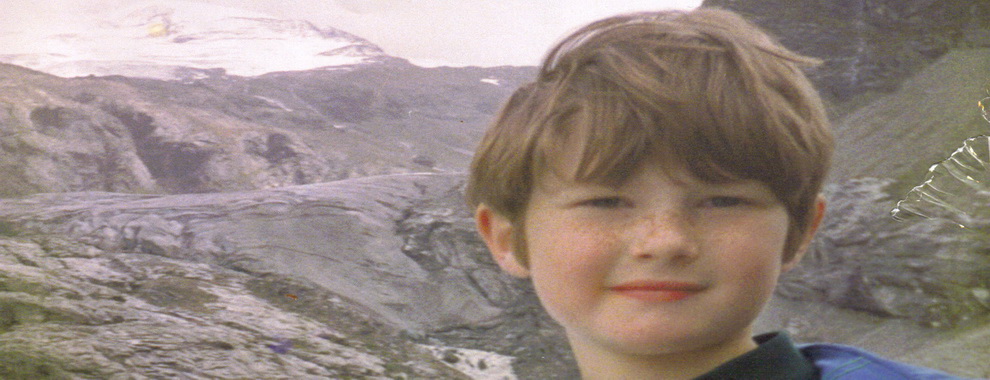
Nicholas at the age of 7, on the Alps, a few days before he was killed

Ogni segmento della popolazione continua a mostrarci la sua compassione: giovani, anziani, ricchi, poveri, ogni categoria politica diversa, persone di ogni religione o non credenti, alcuni degli uomini più in vista – Maggie ed io abbiamo incontrato due Presidenti del Consiglio ed un Presidente della Repubblica Italiana, e tutti ci hanno trattato come vecchi amici di famiglia e non leader di una nazione – e alcune delle donne più belle. Ad una cena alla Casa Bianca per un Presidente del Consiglio in visita, alcuni anni fa, dove ero stato invitato come ospite, parlai con Sophia Loren, anche lei ospite, che mi disse “Noi Italiani ci sentiamo molto vicini alla vostra famiglia”. (Wow!). Una sera a Roma, quando Alessia Marcuzzi era seduta ad un tavolo vicino, mi presentai come il padre di Nicholas Green. Quella stessa sera, scrisse un breve messaggio sulla sua pagina Facebook. Normalmente riceve un migliaio di ‘mi piace’ per i suoi post. Per quello lì furono 39000, inclusi migliaia di appassionati commenti a favore della donazione degli organi.

La Chiesa Cattolica è stata accorata nel suo sostegno ad ogni livello. Papa Giovanni Paolo II autorizzò la realizzazione di una magnifica campana con il nome di Nicholas e dei suoi riceventi incisi sopra, per una torre campanaria che commemora i bambini che sono morti e che abbiamo costruito a Bodega Bay. Sulla scultura ci sono altre 140 campane, la maggior parte provenienti da famiglie italiane. Penso a questo monumento come ad un piccolo pezzo dell’anima dell’Italia lungo l’Oceano Pacifico. A livello di base, un ordine di giovani suore, Le Apostole della Vita Interiore, che combinano quattro ore di preghiera al giorno con la più tenera compassione per l’umanità, si sono dimostrate desiderose di aiutare ad estrarre quanto più bene possibile dalla morte di Nicholas, quando ho fatto loro visita a Roma recentemente.

Ho anche incontrato per la prima volta Valentina Lijou, una cugina di Andrea Mongiardo, il ragazzo che a 15 anni ricevette il cuore di Nicholas e che è morto poche settimane fa. Due anni più grande di lei, Andrea era stato la forza motrice dei loro giochi d’infanzia. “Ci faceva sempre ridere”, mi ha detto. All’epoca del trapianto, comunque, Andrea riceveva trasfusioni di prodotti ematici due volte a settimana – una magra fragile figurina che riusciva a malapena a trascinarsi fino alla porta del suo appartamento. Tutto questo cambiò con il trapianto: “Adesso ho una Ferrari per cuore”, era solito dire. Come molti trapianti, questo non prolungò semplicemente un’esistenza malaticcia: la trasformò e, fino a Giugno scorso, Andrea ha vissuto una vita più o meno normale, di buon umore e con un lavoro. Ricordo che una volta che lo incontrai misi la mia mano sul suo cuore e lo sentii battere forte e regolare. “Bravo, Nicholas”, dissi a me stesso. Fino alla fine, quel cuore ha fatto perfettamente il suo lavoro, e la dipartita di Andrea non è stata dovuta al suo indebolimento ma a dei problemi respiratori.

Penso che chiunque abbia sentito parlare di Nicholas sappia che lui amava l’Italia: Maggie, che ha studiato architettura, gli infondeva il fascino della sua arte e dei suoi monumenti, ed io, attraverso il mio amore per la storia, lo aiutavo ad aggiungerci colore. Ma fu la sua propria personalità che mise tutto questo insieme, in un gradimento per l’Italia che era molto oltre i suoi anni. Si entusiasmava all’idea delle vecchie strade che si irradiavano dal centro di Roma fino alla fine del mondo conosciuto. Si stupiva di fronte ai mosaici di Ravenna e quando gli lessi la storia di Polifemo che accecato tasta le pecore dove gli uomini di Ulisse si erano aggrappati, pensai che stesse per esplodere dall’eccitazione.

Avendo perso tutto ciò, a quasi ogni tappa ci viene chiesto, “Non odiate l’Italia?”. Spero che la risposta sia chiara. Maggie ed io non abbiamo mai pensato che l’Italia avesse premuto il grilletto. Furono due criminali ad uccidere Nicholas: sarebbe potuto succedere ovunque. Ma quello che invece non sarebbe potuto accadere ovunque fu la reazione. Credo che nessun’altra nazione al mondo avrebbe mostrato un coinvolgimento di tale grado. Fu quella inondazione di calore umano che ci aiutò a trasformare uno sconsiderato atto di brutalità in una lezione universale in cui la vita trionfa sulla morte, e la speranza sulla disperazione.

Cos’altro c’è da dire, se non “Grazie, Italia”.

Reg Green.

Link alla versione in Inglese: http://nicholaseffect.org/2017/03/28/an-open-letter-to-the-italian-people/

Leave a comment

Filed under Italia, Italy, Nicholas' story

“How ‘The Nicholas Effect’ changed (in better) the history of transplants”

Article published on “Il Corriere della Sera” (Italy)

corriere-della-sera-9-2-2017

To read the complete article, go to:

http://www.corriere.it/salute/17_febbraio_09/cosi-l-effetto-nicholas-ha-cambiato-in-meglio-storia-trapianti-5cbd3fe6-eeb6-11e6-b691-ec49635e90c8.shtml

Leave a comment

Filed under In the news, Italia, Italy, Nicholas' story

The final beat of Nicholas Green’s heart of gold

The boy who received my son’s heart died Tuesday, although he wasn’t really a boy any longer. He was 37 years old. But when my 7-year old son, Nicholas, was shot in an attempted carjacking on a family vacation in Italy, Andrea Mongiardo was just 15.

At the hospital in Sicily, my wife, Maggie, and I decided to donate Nicholas’ organs and corneas for transplant. They went to seven very sick Italians, four of them teenagers.

Perhaps the most agonizing feature of being on a transplant waiting list is that patients can do nothing at all to influence if and when a new organ becomes available. Their future depends entirely on whether a family they have never met is willing to put its own mourning aside to help total strangers.

When Maggie and I were told that Nicholas had no brain activity, it was she who said, in her usual thoughtful way, “Shouldn’t we donate his organs?” We had no sense of what the outcome would be, who could be saved, what they would be like. But we realized we could squeeze some good from what was otherwise just a meaningless act of violence.

What we couldn’t have guessed was how much good: News of our decision spread like wildfire and so galvanized Italy that in the next 10 years organ donation rates there tripled, an increase no other country came close to. As a result, thousands of people are alive who would have died.

Some of Nicholas’ recipients were very close to death. One was a diabetic who was almost blind, couldn’t walk without help and was dependent on others. After receiving Nicholas’ pancreas cells, she moved into an apartment of her own for the first time in her life.

A 19-year-old got Nicholas’ liver. The day he died, she was in a coma. She bounced back to health, married her childhood sweetheart a year later, and a year after that they had a baby boy, whom they named Nicholas. He is now a tall, handsome young man with no trace of the liver weakness that has dogged his family.

Andrea took longer to heal. He had been sick for so long that his strength was undermined and, whereas the other six were soon back in circulation, he only slowly came back to full health. But when he did, it was for real. He got a job, played soccer, lived more normally than he had ever been able to growing up.

And that is how things stood until we got an email on Tuesday. “His heart was still functioning,” Andrea’s longtime doctor told us, “but the lungs were fibrotic because of drug toxicity related to chemotherapy treatment received three years ago after diagnosis of lymphoma. The final cause of death was respiratory failure.”

It was deflating, like the loss of a young nephew you never dreamed would go before you did. But we don’t feel as if Nicholas died all over again, as some doctors fear will happen to donor families. And, of course, we still have no regrets about the decision we took in 1994.

When the Italian media first asked Maggie how she felt about our son’s heart being transplanted into another boy’s chest, she said: “I always hoped Nicholas would have a long life. Now I hope his heart has a long life.”

Sadly, Nicholas’ heart didn’t reach old age. It did, however, perform nobly for three decades. I’m not surprised: I always knew it was pure gold.

What we couldn’t have guessed was how much good: News of our decision spread like wildfire and so galvanized Italy that in the next 10 years organ donation rates there tripled, an increase no other country came close to. As a result, thousands of people are alive who would have died.

Some of Nicholas’ recipients were very close to death. One was a diabetic who was almost blind, couldn’t walk without help and was dependent on others. After receiving Nicholas’ pancreas cells, she moved into an apartment of her own for the first time in her life.

A 19-year-old got Nicholas’ liver. The day he died, she was in a coma. She bounced back to health, married her childhood sweetheart a year later, and a year after that they had a baby boy, whom they named Nicholas. He is now a tall, handsome young man with no trace of the liver weakness that has dogged his family.

Andrea took longer to heal. He had been sick for so long that his strength was undermined and, whereas the other six were soon back in circulation, he only slowly came back to full health. But when he did, it was for real. He got a job, played soccer, lived more normally than he had ever been able to growing up.

And that is how things stood until we got an email on Tuesday. “His heart was still functioning,” Andrea’s longtime doctor told us, “but the lungs were fibrotic because of drug toxicity related to chemotherapy treatment received three years ago after diagnosis of lymphoma. The final cause of death was respiratory failure.”

It was deflating, like the loss of a young nephew you never dreamed would go before you did. But we don’t feel as if Nicholas died all over again, as some doctors fear will happen to donor families. And, of course, we still have no regrets about the decision we took in 1994.

When the Italian media first asked Maggie how she felt about our son’s heart being transplanted into another boy’s chest, she said: “I always hoped Nicholas would have a long life. Now I hope his heart has a long life.”

Sadly, Nicholas’ heart didn’t reach old age. It did, however, perform nobly for three decades. I’m not surprised: I always knew it was pure gold.

Published on The Los Angeles Times.  
February 13, 2017

Leave a comment

Filed under In the news, Italia, Italy, Nicholas' story

Bike Race

On organ donation day in Italy (May 29), a cycling team led by Francesco Avanzini, a 62 year-old man who had a kidney transplant 29 years ago, cycled the very tough 50 kilometers, along the glorious coast from Sestri Levante to Genoa. It was like many other activities for organ donation that day but for me it had not one, not two, but three special features. First, I have become friends with Francesco and have seen a degree of moral courage in him that matches the physical courage he needed to stay alive. Second, the race went close to the very first place I stayed in Italy 65 (!) years ago when I had saved enough money to go abroad for the first time. And third could I, as a young man, have ever imagined on that first visit that a race would one day pass this way that would end at a bridge named for my own son?

genoa bridge sign

Leave a comment

Filed under Events, In the news, Italia, Italy, Nicholas' story, Places named for Nicholas

Children, Once Too Ill to Walk Across a Room, Take to the Ski Slopes

High in the Swiss Alps, in the little town of Anzere, 34 children from around the world, aged 6 to 17, were preparing to ski down a 45 degree slope in a revered competition that at one time none of them could have dreamed of being in.

It was a perfect day for the climax of the World Winter Transplant Games: the Nicholas Cup.

The weather was calm and clear, the sun dazzling on the pure white snow. The course was treacherous, however, hard ice in places, difficult to dig in the edges of the skis to cut the angles round the gates and more difficult than for the usual run of skiers because, a week earlier, none of these children had ever been on skis. Until then, some – such as those from Tunisia, Hong Kong and Israel – had never seen snow. “I falled over a few times at first,” one small face said proudly. “But I’m alright now.”

Nicholas Cup, Anzere, March 2012

Day 1: First hesitant steps.

But the real challenge was of an order of magnitude greater than all that. All of  them had once been so ill that their only cure was an organ transplant: a new heart or liver, kidneys or lungs to replace the ones that were dying inside them.

Some had been desperately sick at birth – yellow or blue or a lurid shade of green. One had kidneys the size of peas. A third had to be fed through a tube and, says his mother, “for the first two years he never laughed.” Some could not walk across a room without stopping for breath. Others had lived normal lives, until felled by a virus that at first seemed no more severe than a headache. The first that one father knew of a problem was a scream in the night as one of his daughters heard her younger sister collapse on the floor and then kept her alive for forty minutes as the ambulance crew talked him through the CPR procedure.

For many of these children any form of exercise, let alone a competition mixing risk with athletic agility, was physically impossible. On top of that the years of  dependence could have eaten away fatally at their self-confidence. Yet, on the day of the race, one by one the little figures appeared at the starting gate, high on the mountainside. Some came down with what the commentator charitably called “a racing snowplow” style and one or two held on to the instructors. But most tackled the course with assurance and a few with insouciance.

March 8-9 Nicholas Cup 2012

Day 7: “What’s the problem?”

The triumph, however, was collective: these are not sickly lives prolonged by an experimental medical procedure but children who, if anything, perform better than other kids because they exercise and eat more healthily and, having learned at close quarters how precious life is, are determined to make the most of it.

The competition was started by a liver recipient, Liz Schick, a British-born mother of two living in Switzerland who, like so many recipients, wanted to say ‘thank you’ to the world and has done it in an unforgettable way. As one 15-year old girl, who had a transplant when she was 2, and has been shunted between homes to wherever the appropriate medical treatment could be obtained, said afterward to her mother, “This was the best thing I ever did.”

From Reg Green’s book “87 And Still Wandering About.” 2016. www.authorhouse.com.

Leave a comment

Filed under Book: 87 and Still Wandering About, Events, Nicholas' Cup, Nicholas' story, Stories