To laymen like me, the practice of medicine can be magical: a pain is making life miserable, a doctor treats it, the pain subsides. But modern medicine also has a touch of the miraculous. Consider organ transplants where the body parts of someone who is dead are put into people who are dying and on average three or four healthy people come out of it. However many times that is done — and it is done nowadays as an everyday event in hospitals all over the world — it remains a medical miracle. I have seen it first hand.
One beautiful night in Italy on the main highway from Naples to Sicily a car overtook us — a family of four from California on vacation — but instead of moving ahead, it stayed alongside and I said half to myself “There’s something wrong here.” Then through the night came savage, bloodcurdling yells telling us to pull over.
To obey would put us — my wife, Maggie, and our children, Nicholas aged seven and Eleanor, four — at their mercy so instead I accelerated. They accelerated too and the two cars raced side-by-side along the highway. Shots rang out, the windows disintegrated. Maggie, on the front seat, turned around to make sure the children were safe. Both appeared to be sleeping peacefully in their car seats.
By now, however, we were pulling away and the other car gradually faded back into the night. I raced on looking for somewhere with people, lights, some activity and a few miles later I saw there had been an accident with the police already there. I stopped and Eleanor woke immediately. But Nicholas didn’t move and, horrified, I saw his tongue was sticking out and there was a trace of vomit on his chin.
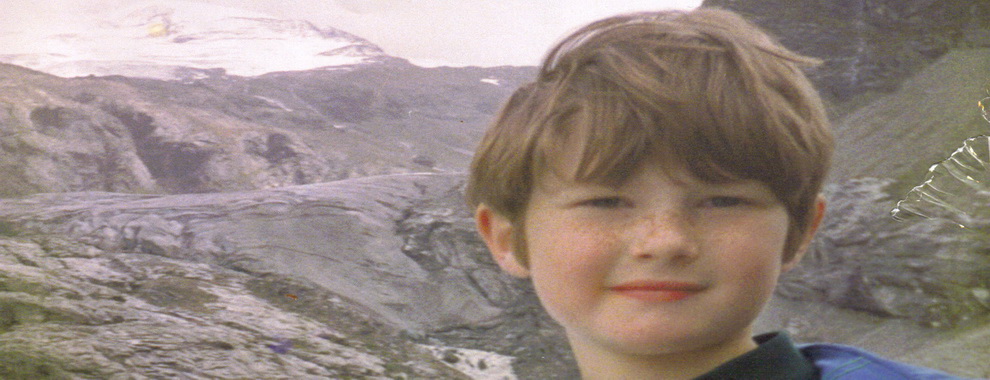
Two days later on October 1, 1994 (it seems like prehistory, doesn’t it?) the doctors at the University of Messina Polyclinic told us he was brain dead. We sat there silently, holding hands. I remember trying to grasp the thought that I would never again hear this gentle boy, eager to learn and full of fun, say “Goodnight, daddy.”
Then Maggie, always thoughtful, said quietly, “Now that he’s gone, shouldn’t we donate the organs?” and for the first time I saw in the blackness that something of value could be pulled out the rubble.
That something turned out to be infinitely more valuable than we could ever have imagined. Not only did his organs and corneas go to seven people, four of them teenagers, but the explosion of sympathy — and the realization of the power of transplantation that came with it — was worldwide and has never been forgotten.
In Italy alone organ donations rates tripled in the next ten years and all over the world organ donations have gone up strongly with Nicholas’ story a powerful factor everywhere. Better still that force continues unabated, and I wonder: in the history of medicine have there been any other patients, thirty years after they died. who were still influencing year after year the life or death decisions of thousands of bereaved families?
I’m now 96 but scarcely a day has passed since Nicholas was killed when we have not done something to remind families faced with the sudden death of a loved one that they do not have to turn inward in bitterness or despair but instead can rescue multiple families who have no one else to turn to.
Among many other projects, we were in the team that made the television movie, Nicholas’ Gfit, starring Jamie Lee Curtis that has been seen by more than 70 million people worldwide; written two books that have become classics in their field; written dozens of articles for the world’s most influential newspapers and journals; appeared on some of the most influential television channels from Venezuela to Siberia, spoken for organ donation in cathedrals, synagogues and country churches, held the attention of primary school children and patients in hospices and so on and on.
Both cornea recipients are still alive as are three of the five organ recipients, all of whom were at death’s door thirty-one years ago.
But there is yet another piece of alchemy to add. Nicholas’ story and shattered families of every race, belief and way of life, who have put their grief on hold until they have rescued people they have never met and can’t even envisage, have converted a grubby act of violence into a symbol of hope for a better world. And that could be the most miraculous thing of all.
Reg Green


 The Nicholas Effect